



Southeast Asia is world-famous for iconic temples like Angkor Wat and Borobudur. But beyond these popular landmarks lies a treasure trove of hidden temples, quietly standing in jungles, mountains, and remote villages. These lesser-known sacred sites offer travelers a more peaceful, authentic, and spiritual experience.
If you’re a traveler from the USA looking to explore off-the-beaten-path destinations, these hidden temples of Southeast Asia deserve a place on your bucket list.
Why Explore Hidden Temples in Southeast Asia?
Hidden temples offer something modern travel often lacks: silence, history, and mystery. Unlike crowded tourist hotspots, these sites allow visitors to connect deeply with ancient cultures, local traditions, and spiritual practices.
Key reasons to visit hidden temples:
- Fewer crowds and better photo opportunities
- Rich cultural and historical value
- Immersive spiritual atmosphere
- Unique landscapes like jungles, caves, and mountains
1. Beng Mealea – Cambodia
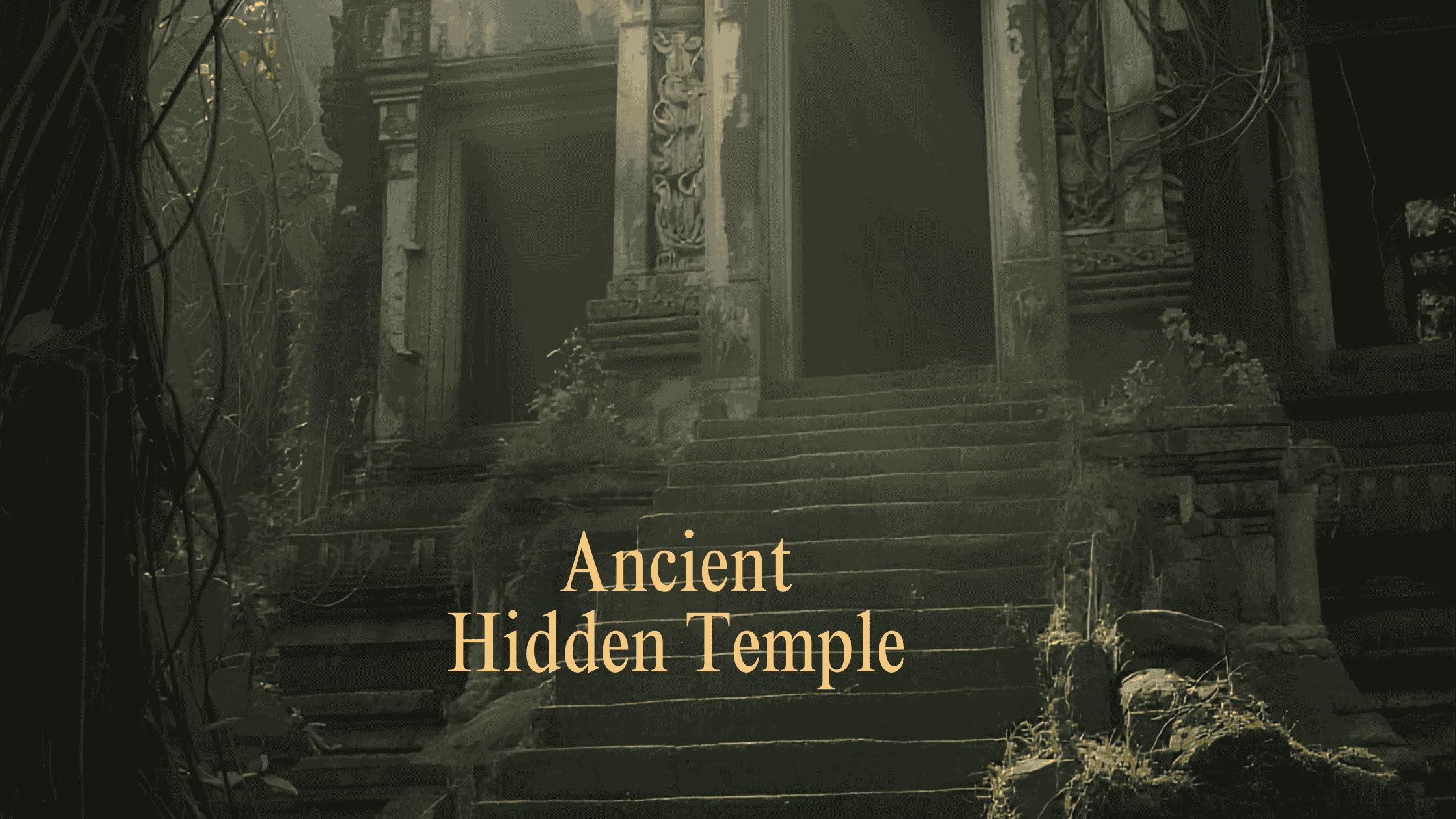
Located about 40 km from Angkor Wat, Beng Mealea is an ancient Khmer temple swallowed by jungle vines and massive stone blocks. Built in the 12th century, this temple remains largely unrestored, giving it an adventurous, Indiana-Jones-style atmosphere.
Why visit:
- Moss-covered ruins and collapsed corridors
- A true jungle temple experience
- Perfect for history lovers and photographers
Best time to visit: Early morning to avoid heat and crowds.
2. Wat Phu Tok – Thailand
Perched high on a rocky mountain in northeastern Thailand, Wat Phu Tok is a unique wooden temple complex connected by narrow walkways and staircases.
This temple is both a spiritual retreat and an architectural marvel, offering breathtaking panoramic views of the surrounding countryside.
Why visit:
- Stunning views from mountain cliffs
- Peaceful meditation environment
- Unique wooden pathways carved into rock
Travel tip: Not recommended for those afraid of heights.
3. Pura Lempuyang’s Lesser-Known Shrines – Indonesia
While Bali’s Pura Lempuyang is famous for the “Gates of Heaven,” many travelers miss the smaller shrines located higher up the mountain.
These hidden temples require a challenging hike but reward visitors with tranquility, misty views, and deep spiritual energy.
Why visit:
- Authentic Balinese Hindu rituals
- Less crowded than the main gate
- Incredible sunrise views
4. Wat Chom Sawan – Laos
Hidden in the quiet countryside near Savannakhet, Wat Chom Sawan is a serene Buddhist temple rarely visited by international tourists.
The temple reflects traditional Lao architecture and offers insight into local monastic life.
Why visit:
- Calm and uncrowded atmosphere
- Ideal for cultural immersion
- Friendly local monks
5. Shwe Yan Pyay Monastery – Myanmar
Located near Inle Lake, Shwe Yan Pyay Monastery is a beautiful wooden structure with circular windows and teak pillars.
Though not entirely unknown, it remains far less crowded than major pagodas.
Why visit:
- Traditional Burmese architecture
- Opportunity to observe daily monk life
- Peaceful lakeside surroundings
6. Goa Gajah (Elephant Cave) – Bali, Indonesia
Often overlooked by travelers rushing through Bali, Goa Gajah is an ancient cave temple dating back to the 9th century.
Carved stone faces guard the cave entrance, creating a mystical and slightly eerie atmosphere.
Why visit:
- Ancient carvings and bathing pools
- Blend of Hindu and Buddhist history
- Easy access from Ubud
Cultural Etiquette for Temple Visits
When visiting temples in Southeast Asia, respecting local customs is essential:
- Dress modestly (cover shoulders and knees)
- Remove shoes before entering temple areas
- Speak quietly and avoid disruptive behavior
- Ask permission before photographing monks
Best Time to Visit Southeast Asian Temples
For travelers from the USA, the best months to visit are:
- November to February – cooler, dry weather
- Early mornings – fewer people and better light
Avoid major religious festivals if you prefer quiet visits, as temples can become crowded.
Why Hidden Temples Belong on Your Travel List
Exploring hidden temples allows you to:
- Discover authentic cultural heritage
- Experience spiritual calm away from crowds
- Create unique travel memories few others have
These sacred places are reminders of Southeast Asia’s deep spiritual roots and timeless beauty.
Final Thoughts
The hidden temples of Southeast Asia offer more than beautiful architecture—they provide a journey into history, faith, and serenity. For travelers seeking meaningful adventures beyond typical tourist paths, these temples are unforgettable destinations.
Add them to your itinerary and experience Southeast Asia in its most authentic form.

